Green Cleaning in South Dakota: What It Actually Means and Why It Matters
Green cleaning is more than swapping bleach for vinegar. Here is what a credible green cleaning program looks like, what certifications to trust, and what it does (and does not) cost.
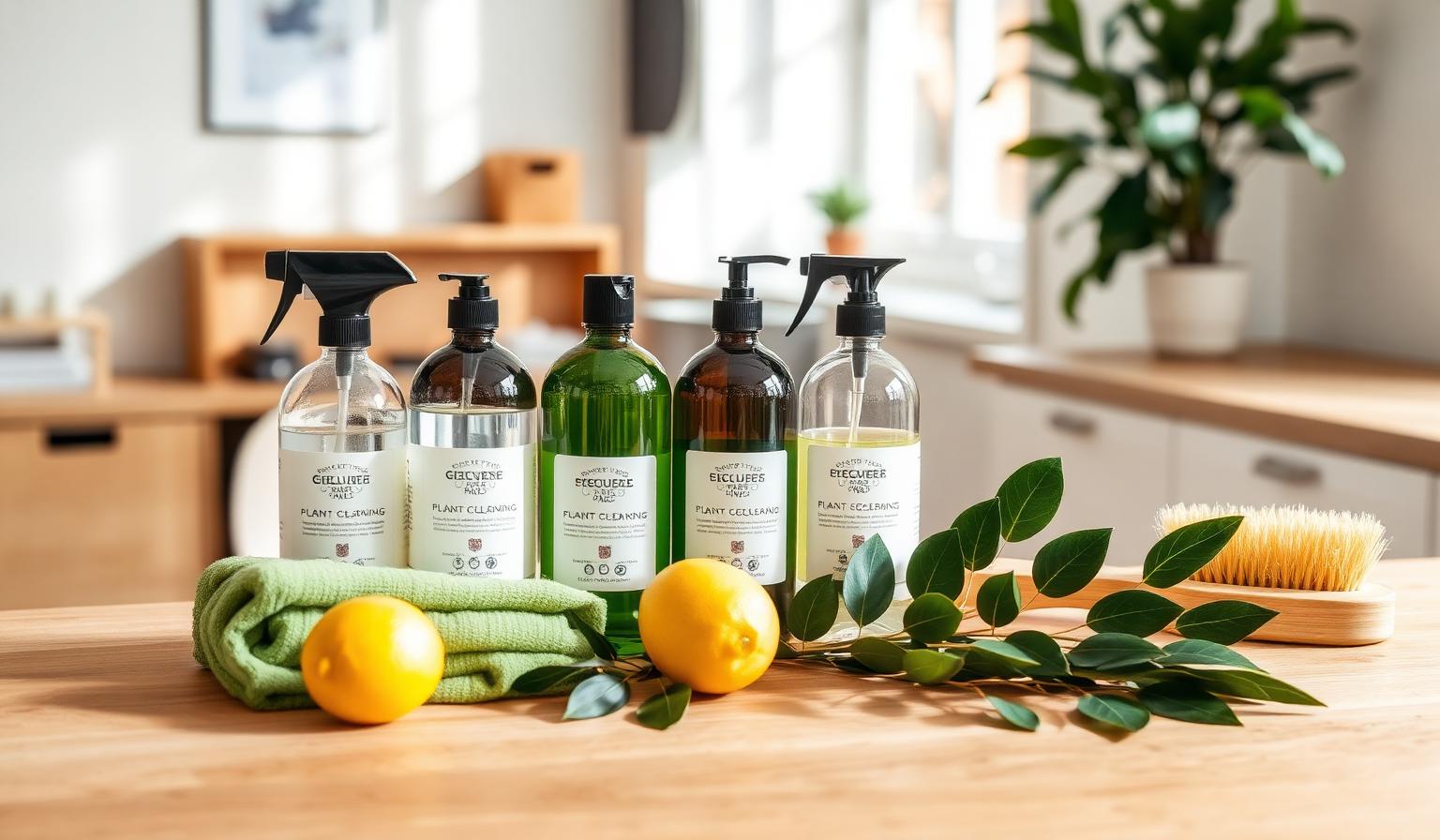
"Green cleaning" is one of the most overused phrases in our industry. Almost every commercial cleaner in Sioux Falls will tell you they offer green options. Almost none of them can describe what that actually means, which products are certified, or how their crews are trained on chemical safety.
This article is a practical look at what green cleaning actually is in 2026, what certifications carry real weight, why the conversation matters even in markets that are not famous for sustainability, and what the real cost difference looks like for a typical Sioux Falls business.
Why green cleaning matters even in South Dakota
When people think about sustainability programs, they tend to picture coastal cities with municipal composting and bike lanes. South Dakota does not always show up in that mental picture. But the practical case for green cleaning has very little to do with politics and everything to do with three things that every facility manager cares about: indoor air quality, employee health, and long-term building maintenance costs.
Indoor air quality is the biggest one. The chemicals in conventional cleaning products contribute to a measurable share of indoor volatile organic compound (VOC) exposure. In a tightly insulated South Dakota building during a Sioux Falls winter — when buildings are sealed up for months at a time and HVAC is recirculating — those VOCs accumulate. The result is a building that smells "clean" but is actually contributing to headaches, respiratory irritation, and reduced cognitive performance for the people working in it.
Employee health is the next layer. Roughly 13% of American adults have asthma or asthma-like conditions, and cleaning chemicals are among the top occupational triggers. If you have a 60-person office, that is roughly eight people who are likely to have some sensitivity to harsh cleaning chemistry. Switching to certified green products often eliminates a category of low-grade workplace complaints without anyone realizing what changed.
Long-term maintenance is the third. Aggressive chemistry — especially solvents, acidic descalers, and chlorinated bleaches — degrades surfaces over time. Stainless steel pits. Sealed concrete dulls. Wood finishes cloud. A well-designed green cleaning program uses neutral chemistry by default, which extends the life of the surfaces you have paid for.
What "green cleaning" actually means
A credible green cleaning program is not one product. It is a system of decisions across five categories.
1. Certified chemistry
The baseline is using cleaning products that carry a recognized third-party certification. The three to look for in commercial settings are:
- Green Seal GS-37 (general purpose, bathroom, glass, and carpet cleaners)
- UL ECOLOGO
- EPA Safer Choice
These certifications evaluate human health and environmental impact across the full lifecycle of a product. They are far more meaningful than a generic "eco-friendly" claim on a label, which means nothing.
2. Microfiber-first dust capture
Green cleaning programs use color-coded microfiber cloths and flat mops instead of cotton, paper, or chemical dusters. Microfiber captures particulates mechanically, which means less chemical is needed to achieve the same result. Color coding (typically red for restrooms, blue for general, yellow for restroom non-toilet, green for food prep) prevents cross-contamination.
3. HEPA filtration
HEPA-filtered vacuums capture particulates down to 0.3 microns. Conventional vacuums often blow fine particulates back into the air. For any building with employees who have allergies, asthma, or sensitivities, HEPA filtration is one of the single biggest indoor air quality upgrades available.
4. Concentrated, dose-controlled chemistry
Pre-mixed bottles of cleaner waste plastic and frequently get over-applied. Dose-controlled dispensing systems mix concentrate with water at the correct ratio, every time. This reduces waste, reduces chemical overuse, and produces a more consistent clean.
5. Trained staff
The best products and equipment do not matter if the crew has not been trained to use them. A credible green program includes documented training on chemical dilution, contact times, color coding, and safe storage.
What green cleaning is not
There is a lot of greenwashing in our industry, and it is worth knowing what to ignore.
A label that says "natural" or "non-toxic" or "biodegradable" without a third-party certification means nothing. The FDA does not regulate cleaning product label claims the way it regulates food. Anyone can put "natural" on a bottle.
A bottle of vinegar and a bottle of baking soda is not a commercial green cleaning program. Vinegar is fine for some surfaces and a disaster for others (stone, grout, certain metals). It also does not disinfect — it is an acidic cleaner, not an EPA-registered disinfectant.
Essential oils are not a disinfection strategy. They smell nice, and some have mild antimicrobial properties at high concentrations, but no essential oil is an EPA-registered disinfectant for the surfaces and pathogens commercial buildings actually have to manage.
When green cleaning is the wrong choice
Honest answer: there are situations where green chemistry is not the right tool. Outbreak response, blood and bodily fluid cleanup, mold remediation, and certain food-service deep cleans all require chemistry that is not currently available in a green-certified form. A good cleaning vendor uses certified green chemistry as the default and reaches for stronger chemistry only when the situation specifically calls for it.
The mistake to avoid is the opposite — using a stronger product than the job requires, on a routine basis, because that is what the crew is used to. Most commercial cleaning jobs do not require disinfection-grade chemistry. They require soap, microfiber, and someone paying attention.
The cost question
The most common question we get about green cleaning is whether it costs more. The honest answer is "barely, and often nothing."
Certified green chemistry costs roughly 0% to 10% more per gallon than conventional equivalents at commercial volumes. Microfiber and HEPA equipment is a one-time capital cost amortized over years of service. Dose-controlled dispensing systems often *reduce* chemical cost over time because they prevent the overuse that drives most cleaning chemistry expense.
For a typical Sioux Falls office on a $2,500 per month cleaning contract, moving from a conventional program to a fully green program adds somewhere between zero and $50 per month at the wholesale level — and that is before accounting for the productivity, retention, and health benefits.
If a cleaning vendor tells you green cleaning costs 30% more, what they are actually telling you is that they have not built a green program — they are quoting you a premium because they think you will pay for the word.
What to ask your cleaning vendor
If green cleaning matters to your organization — or if it should — these are the questions to ask:
1. Which specific products in your program carry Green Seal, ECOLOGO, or EPA Safer Choice certification? 2. Do you use HEPA-filtered vacuums on every visit? 3. Are your microfibers color-coded? Can I see your training documentation? 4. How do you handle situations that require disinfection-grade chemistry? 5. What is your policy on chemical storage and dilution in our building? 6. Can you provide SDS (Safety Data Sheets) for every product used in our building?
A vendor that has built a real green program will answer these crisply. A vendor that has not will get vague fast.
Putting it together
Green cleaning in 2026 is not a niche request. It is the baseline expectation for any commercial building that takes employee health, indoor air quality, and long-term asset value seriously. Done correctly, it costs almost nothing extra, reduces a category of workplace complaints, and extends the life of the surfaces you have already paid for.
If you would like a written breakdown of what a certified green cleaning program would look like for your Sioux Falls building, we are happy to put one together. We will tell you which of the products we already use are certified, which we would swap in for your space, and exactly what the cost difference looks like at your scope. No marketing fluff, just the numbers.
Need a cleaner you can actually count on?
Walk your building with us and get a written, flat-rate quote inside one business day.
Get a free estimateKeep reading